 |
 |
 |
||||
 |
 |
|||||
 |
||||||
 |
||||||
 |
 |
 |
||||
|
||||||
 |
 |
|||||
|
||||||
 |
 |
|||||
|
||||||
 |
 |
|||||
|
||||||
 |
||||||
|
||||||
 |
|
|
|
|
|
|
 |
||
|
|
|
 |
||
|
|
|
 |
||
|
|
|
Site created by Amplitude. |
||
|
|
|
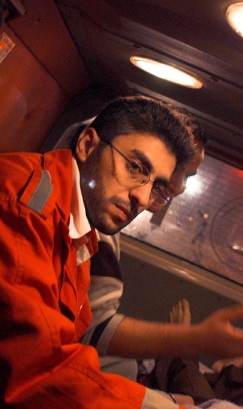
Palestinian ambulance drivers
Ill-equipped, ill-trained and dependent on the benevolence of Israeli soldiers to allow them access to major roads to reach their patients or the hospital, Palestinian ambulance drivers are not at the forefront of emergency healthcare in the West Bank.
At the time this feature was shot – November 2006 – Palestinian hospitals were largely closed as doctors and medical staff waited to be paid salaries owed from months earlier (the Palestinian Authority had its funds frozen by the Israeli government). However, this particular ambulance crew working for the Palestinian Red Crescent Society (a charity and so not dependent on government funds) continued to work.
But ambulances are regarded with deep suspicion in the West Bank: patients can either die in them due to a combination of Israeli roadblocks and poor medical training, or they can be arrested by Israeli soldiers on the way to hospital. Consequently, it is not unheard of that Palestinian ambulance drivers have been shot at by Palestinians, as well as by the Israelis.
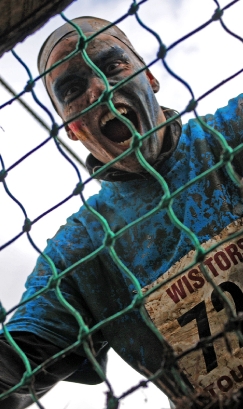
Tough Guy
No matter what the weather, each January at a remote farm in south Staffordshire, thousands of people from all over the world turn up to take part in the world famous Tough Guy competition.
Consisting of a 6-mile cross-country run and a gruelling obstacle course through what is known as the “killing fields” made up of scaffold bridges, rope nets, underwater tunnels and climbing walls, not many competitors come away unscathed. Running the course involves risking barbed wire, cuts, scrapes, burns, dehydration, hypothermia, acrophobia, claustrophobia, electric shocks, sprains, twists, joint dislocation and broken bones. Before running the course competitors must sign a "death warrant" which states that they acknowledge the risks and dangers the course brings along.
Yet despite the risks and the physical pain, those who complete the course limp away happy – and swear that they will compete again.

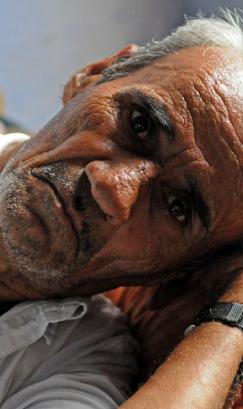
India's asbestos time-bomb
While banned in most developed countries, chysotile (white) asbestos is still shipped to the developing world despite incontrovertible evidence that it is a known carcinogen and that exposure to it can cause asbestos-related diseases such as asbestosis and the fatal and incurable cancer mesothelioma. India is one of the world’s major users of chrysotile, mainly for use in building materials. According to a report published in February 2010 in leading international medical journal The Lancet, between 2000 – 2007 India’s asbestos usage rose from roughly 125,000 metric tonnes to about 300,000. It is estimated that since 1960, India has incorporated about seven million tonnes of asbestos into its buildings.
The country is woefully unaware of the dangers of using asbestos materials, and local doctors largely do not have the experience or skills to recognise the onset of asbestos-related diseases. In fact, as this photo-essay was shot in 2009, the country had not officially owned up to a single case of death caused by mesothelioma - despite strong evidence to the contrary.
